


There are moments when someone you love is going through something heavy, and you do not know what else to do.
You may not have the money to solve the problem.
You may not have the right words to comfort them.
In fact, you may not even be able to change the situation physically.
But you can pray.
That is where intercessory prayer becomes powerful.
Intercessory prayer is the act of praying to God on behalf of another person, family, group, church, nation, or situation. It is not just a religious activity; it is a loving spiritual responsibility. It is standing before God with someone else in your heart and asking for His mercy, help, wisdom, healing, strength, or intervention.
Many believers understand personal prayer, but not everyone understands the importance of praying for others. Yet throughout Scripture, we see people standing in the gap for families, cities, leaders, communities, and even those who had done wrong.
Intercession reminds us that faith is not selfish. We do not only pray when we need something for ourselves. We also pray because love carries people before God.
Key Highlights
- Intercessory prayer means praying to God on behalf of others.
- It is a biblical expression of love, compassion, and spiritual responsibility.
- The Bible shows many examples of people praying for others.
- Intercession can be made for family, friends, leaders, the church, communities, and nations.
- Effective intercession should be rooted in faith, Scripture, compassion, and surrender to God’s will.
- You do not need complicated words to intercede; you need a sincere heart and trust in God.
- Intercessory prayer does not replace practical help, but it strengthens and supports it.
- God hears prayers offered in faith, according to His will, and from a heart that depends on Him.
What Is Intercessory Prayer?
Intercessory prayer is prayer offered to God on behalf of someone else.
In simple terms, it means you are not only praying about your own needs. You are lifting another person or situation before God.
This can include praying for:
- A friend who is discouraged
- A family member who needs healing
- Someone struggling spiritually
- A church community
- A nation in crisis
- The leader who needs wisdom
- A person who does not yet know God
- Someone going through grief, pressure, confusion, or fear
Intercession is one of the clearest ways we show love spiritually. It says, “I may not be able to carry this burden for you physically, but I can carry you in prayer.”
It is also an act of faith. When you pray for someone, you are acknowledging that God can reach places you cannot reach. He can comfort hearts you cannot touch. He can open doors you cannot force. It is a way of saying God can guide, heal, correct, strengthen, and restore.
What Does the Bible Say About Praying for Others?
The Bible teaches that believers should pray for others.
In 1 Timothy 2:1, Paul urges that prayers, intercessions, and thanksgivings be made for all people. This shows that intercession is not optional in Christian life. It is part of how believers participate in God’s work on earth.
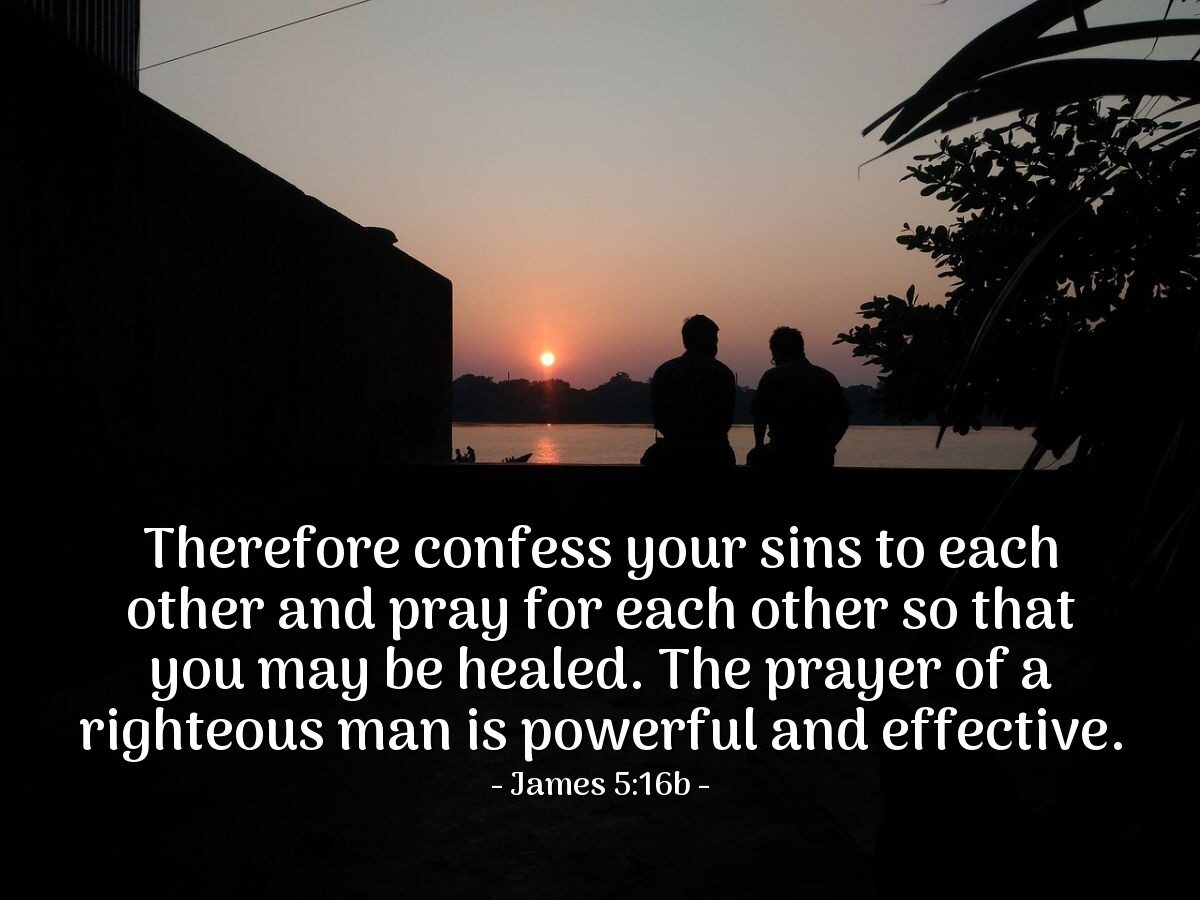
James 5:16 also says, “Pray for one another, that you may be healed.” This connects prayer with care, honesty, restoration, and community.
The Bible does not present prayer as something private only. Yes, personal prayer matters deeply. But Christian prayer also has a communal side. We pray for one another because we belong to a body. When one person is weak, others can stand with them. When one person is confused, others can ask God for clarity on their behalf. And if one person is suffering, others can help carry the weight.
This is why intercessory prayer is closely connected to love.
You cannot truly love people and never pray for them.
Why Intercessory Prayer Matters
1. Intercessory Prayer Reflects the Heart of Jesus
Jesus is the greatest example of intercession.
Before His crucifixion, He prayed for His disciples. In John 17, Jesus prayed that the Father would keep them, sanctify them, and unite them. He also prayed for those who would later believe through their message.
That means Jesus prayed beyond the immediate moment. He prayed for future believers too.
This shows us something important: intercession is not just reacting to problems. It is also covering people ahead of time.
When you pray for your children, your friends, your church, or your community, you are participating in a pattern that reflects the heart of Christ.
2. Intercessory Prayer Helps Us Love Beyond Words
It is easy to say, “I care about you.”
But prayer takes care deeper.
When you pray for someone, you bring their matter before God with attention and compassion. You are not just giving advice. You are asking God to step into the situation.
Sometimes, people do not need another opinion. They need is strength. They need peace. All they might just need is wisdom and God’s help.
A prayer for a friend can be one of the most meaningful gifts you offer, especially when it comes from a sincere heart.
3. Intercessory Prayer Builds Spiritual Responsibility
Intercession teaches you not to live only for yourself.
It trains your heart to notice others. It helps you become more sensitive to people’s burdens. Intercession reminds you that your faith is not just about your own breakthrough, comfort, or growth.
A mature believer learns to ask, “Lord, who do You want me to pray for?”
This is one of the ways prayer shapes character. It moves us from self-focus to compassion.
4. Intercessory Prayer Strengthens Community
A church becomes stronger when people pray for one another.
People may attend the same services, sit in the same room, and sing the same songs, but true community grows when believers carry one another spiritually.
Intercessory prayer helps build that kind of community.
It says:
- You are not alone.
- Your burden matters.
- Your pain is seen.
- Your growth matters to us.
- We are standing with you in faith.
This is why prayer should not only happen on platforms or during services. It should also happen in homes, small groups, friendships, and quiet personal moments.
You can also learn more about the foundation of prayer in ‘what is the importance of prayer‘.
Biblical Examples of Intercessory Prayer
Abraham Prayed for Sodom
In Genesis 18, Abraham pleaded with God concerning Sodom. Even though the city was corrupt, Abraham stood before God and appealed for mercy.
Moses Prayed for Israel
Moses often interceded for the Israelites when they sinned, complained, or turned away from God.
At different points, Moses pleaded with God for mercy on behalf of the people. His intercession shows the heart of a leader who does not abandon people because they are difficult.
This is important. Intercession is not only for people who are easy to love. Sometimes, God calls us to pray for people who are struggling, stubborn, confused, or spiritually weak.
Samuel Prayed for the People
In 1 Samuel 12:23, Samuel said it would be a sin against the Lord for him to stop praying for Israel.
That statement is powerful.
Samuel saw prayer for the people as part of his responsibility before God. He did not treat intercession as casual. He understood that spiritual leadership includes prayer.
This applies beyond pastors and church leaders. Parents, friends, mentors, spouses, and believers generally can carry people in prayer.
Paul Prayed for the Churches
Paul regularly prayed for believers in the churches he wrote to.
He prayed for their spiritual wisdom, strength, love, endurance, and understanding of God’s will. His prayers were not shallow. He did not only pray that they would be comfortable. He prayed that they would grow.
This teaches us something important about intercessory prayer: we should not only pray for people’s problems to disappear. We should also pray for their faith to deepen, their character to grow, and their hearts to align with God.
How to Pray Intercessory Prayer
1. Start with Worship and Awareness of God
Before bringing the request, pause and remember who God is.
He is loving.
He is wise.
God is merciful.
He is powerful.
He sees what you cannot see.
Starting with worship helps your heart settle. It reminds you that intercession is not panic in spiritual language. It is faith directed toward God.
You can say:
“Father, I thank You because You are good, faithful, and present. You see this situation clearly, and I trust Your wisdom.”
2. Name the Person or Situation Clearly
Intercessory prayer does not have to be vague.
Be specific.
If you are praying for a friend, mention the area where they need help. If you are praying for a family, mention what you are trusting God to do. Also, if you are praying for your church, be clear about the need.
For example:
“Lord, I pray for my friend who is discouraged. Strengthen her heart, give her peace, and remind her that she is not alone.”
Specific prayer helps you stay focused.
3. Pray with Scripture Where Possible
Scripture gives language and direction to prayer.
If someone needs wisdom, you can pray with James 1:5 in mind.
For someone who needs peace, you can pray with Philippians 4:6-7 in mind.
If someone needs strength, you can pray with Isaiah 40:31 in mind.
This does not mean you must quote many verses. It means your prayer should be shaped by God’s truth.
Scripture keeps intercession from becoming fear-driven or emotionally scattered.
4. Ask for God’s Will, Not Just Your Preference
This is important.
Intercession is not trying to force God to do what we want. It is bringing people before Him and trusting His wisdom.
Sometimes, what we want immediately may not be what God is doing deeply.
So we pray with faith and surrender.
You can say:
“Lord, I ask for healing, strength, and restoration. But above all, let Your will be done, and help this person trust You through the process.”
This kind of prayer is not weak. It is mature.
Watch Pastor Bolaji Idowu’s teaching on how to pray when nothing is working below:
5. Pray with Compassion, Not Control
When praying for others, avoid using prayer as a way to control them.
Intercession is not manipulation. It is not saying, “Lord, make this person do what I want.” It is asking God to help, guide, convict, heal, restore, and lead according to His will.
True intercession respects God’s authority and the person’s dignity.
6. Continue as God Leads
Some prayers may be prayed once. Others may become a burden you carry for a season.
Jesus taught persistence in prayer. This does not mean begging God as though He is unwilling. It means remaining faithful, trusting, and spiritually alert.
If someone keeps coming to your heart, pray for them.
That quiet prompting may be an invitation to intercede.
A Simple Intercessory Prayer Example
Father, I bring my friend before You today. You know what they are facing, and You understand every detail better than I do. Please strengthen their heart, guide their decisions, and surround them with peace. In areas where they feel weak, give them grace. Where they feel confused, give them wisdom. Where they feel discouraged, remind them that You are near. Help them to trust You, and let Your will be done in their life. In Jesus’ name, Amen.
Positive Prayer for a Friend
Lord, thank You for my friend. Thank You for their life, their journey, and the plans You have for them. I pray that You fill their heart with courage, peace, and fresh strength. Let them experience Your love in a personal way. Open the right doors, guide their steps, and protect them from anything that would pull them away from Your purpose. May they grow in wisdom, faith, and joy. Amen.
God Hearing Our Prayers Verses
Many believers wonder whether God truly hears them when they pray.
Scripture gives us confidence that God hears the prayers of His people.
1 John 5:14 reminds us that when we ask according to His will, He hears us. Psalm 34:17 shows that the Lord hears the righteous when they cry out. Jeremiah 33:3 invites God’s people to call on Him with the assurance that He answers.
These verses do not mean prayer is always answered exactly how we expect. But they remind us that prayer is not wasted.
When you intercede, God hears.
When you pray with faith, God hears.
Even when you do not have perfect words, God hears.
When your heart is heavy, God hears.
Common Mistakes in Intercessory Prayer
1. Praying from Fear Instead of Faith
Sometimes, people pray for others only because they are afraid.
Fear may push you to pray, but faith should lead the prayer.
Instead of praying in panic, pause and remember that God is present.
2. Trying to Control the Outcome
It is natural to want a specific result, especially when someone you love is hurting. But intercession should remain surrendered to God.
Pray boldly, but trust God fully.
3. Using Too Many Words Without Heart
Long prayers are not automatically powerful. Short prayers are not automatically weak.
God is not moved by performance. He responds to faith, sincerity, and alignment with His will.
4. Praying Without Taking Practical Action
Intercession does not cancel practical love.
If someone needs encouragement, pray and call them.
If someone needs support, pray and help where you can.
And if it’s a community they need, pray for them and show up.
Prayer and action should work together. They are not mutually exclusive.
To join a community, learn more about our various small group communities here.
5. Giving Up Too Quickly
Some situations require patient prayer.
Do not assume God is absent because the answer is not immediate. Keep praying; keep trusting; and keep listening.
Practical Ways to Build a Life of Intercession
Keep a Prayer List
Write down the names of people and situations you are praying for.
This helps you stay consistent and intentional.
Your list can include:
- Family members
- Friends
- Church leaders
- Colleagues
- People who are sick
- People trusting God for direction
- Your community
- Your nation
- Other nations of the world experiencing unrest and war.
Pray When Someone Comes to Mind
Sometimes, a person may suddenly come to your heart.
Instead of ignoring it, pause and pray briefly.
You may not know what they are facing, but God knows.
Ask People How You Can Pray for Them
A simple question can open the door to meaningful care:
“How can I pray for you this week?”
This helps people feel seen and supported. It also makes your intercession more personal.
For church-related needs, you may also direct people to share a ‘prayer request’ when appropriate.
Make Intercession Part of Your Routine
You can set aside a few minutes daily or weekly to pray for others.
It does not have to be complicated. What matters is consistency.
Follow Up When Appropriate
If you prayed for someone, check on them later.
This shows that your prayer came from genuine care, not religious habit.
Conclusion
Intercessory prayer is one of the most loving things a believer can do.
It means standing before God on behalf of someone else. It means carrying people in your heart and trusting God to help, heal, guide, strengthen, and restore.
You do not need perfect words. You do not need a platform. And to be honest? You do not need to sound spiritual.
What you need is faith.
What you need is compassion.
More importantly, you need a heart that is willing to stand in the gap.
When you pray for others, you become part of how God’s love touches their lives.
Reflection / Action Step
Think of three people who need prayer this week.
Write their names down. Then pray for each one specifically.
Ask God to strengthen them, guide them, and reveal His love in their situation. After praying, reach out to one of them with a simple message of encouragement.
For more insightful spiritual pieces, stay connected to our blog. If you’d like fresh spiritual content daily, connect with our Lead Pastor, Pastor Bolaji Idowu on the various platforms below:
- Instagram – @bolajiid
- Facebook – @Pastor Bolaji Idowu
- TiTok – bolajiid1
- X (formerly Twitter) – @pastorbolaji
If you have questions or contributions on the topic discussed, feel free to use the comments section.
Recommended
