


You have heard countless times that a believer should be prayerful. But why? What is the importance of prayer? Prayer is not a religious routine. It is a spiritual system. It is how believers align with God’s will, receive clarity, and enforce heaven’s agenda on the earth.
That is why prayer is an indispensable aspect of a healthy Christian life. It is not an optional “extra.” Prayer is core. It is how we relate with God personally and how we partner with Him practically.
At Harvesters, this conviction is not theory. It is culture. The goal is simple: raise a generation given to prayer, people who build a real prayer life, grow as disciples of Christ, and carry testimonies that are visible.
So, what is the importance of prayer? Why should we pray? What is the essence of prayer? And what are the benefits of prayer in everyday life?
Let’s walk through it clearly.
What Is Prayer?
Before we discuss the importance of prayer, we must understand what it is.
Prayer is a channel through which God releases direction, solutions, and possibilities into the believer’s spirit. Many times, answers in prayer do not come only as words. They come as pictures, impressions, and inner images that drop into the mind while praying.
These images are not ordinary. They are often previews of what God is showing you can happen or clues to what you should be doing next.
In moments of focused prayer, God opens the eyes of the spirit and says, “This is possible. This is the way.” Those pictures are the probabilities of the spirit, glimpses of divine solutions connected to the prayers being offered.
However, this is where many believers miss it. While praying, especially when praying in tongues, some disconnect their mind completely. Their words continue, but their attention drifts. Yet Scripture says, “Ask and you shall receive.” Receiving requires awareness.
You cannot receive what the Spirit is communicating if the mind is absent. Prayer is therefore not a moment to switch off mentally. It is a moment to stay alert.
When the mind is focused, it can capture what the Spirit is saying. When the mind is distracted, those pictures pass unnoticed. True prayer is intentional alignment, where spirit and mind work together to receive what God is revealing.
What Prayer Entails
Prayer is communication with God. But it is more than “talking.” It is fellowship. Prayer is alignment. It is a spiritual partnership.
Prayer includes:
- Worship (adoration and honour to God)
- Thanksgiving (gratitude for who God is and what He has done)
- Confession (agreeing with God and turning from sin)
- Petition (presenting requests)
- Intercession (standing in the gap for others)
- Listening (receiving direction, correction, and strength)
When prayer becomes only “give me, give me,” it becomes shallow. But when prayer becomes a lifestyle, it produces depth, direction, clarity, revelation, stability, and spiritual authority.
Jesus did not just teach prayer. He modelled it. And Scripture makes it clear that prayer is a daily necessity, not a seasonal activity.
The Essence of Prayer
If you want the simplest description of the essence of prayer, it is this:
Prayer is how you stay connected to God’s heart, God’s voice, and God’s agenda.
That means prayer is not only for crisis moments. Prayer is for:
- alignment when life feels noisy,
- clarity when decisions are heavy,
- strength when temptation is strong,
- direction when the road is unclear,
- authority when resistance shows up.
Prayer is where the believer is positioned properly, spiritually and mentally.
Importance of Prayer for Every Believer
1) Prayer keeps you aligned with God’s will
Many people want God’s blessing, but they do not want God’s alignment.
Prayer brings alignment. It moves your heart from “my plan” to “His will.” It helps you desire what God desires. And it helps you pursue what God is building.
That is why prayer is not just asking for things. It helps in becoming the kind of person who can carry the things you are asking for.
2) Prayer gives clarity and direction
One major reason people make costly decisions is not the lack of intelligence. It is a lack of spiritual clarity.
Prayer is a clarity room. It is where confusion reduces and direction becomes sharper.
Sometimes, the answer you need is not a new strategy. It is a new sensitivity.
3) Prayer builds spiritual strength and discipline
A weak prayer life usually produces a weak inner life.
Prayer strengthens your spirit. It stretches your capacity. It builds discipline. As a matter of fact, prayer trains your heart to stay steady under pressure.
And let’s be honest: many people don’t need a miracle first. They need consistency first.
That’s why Harvesters’ Next Level Prayers exists, to encourage people to build a prayer life and not just attend prayer programs.
4) Prayer helps you handle anxiety and pressure
Life can be overwhelming. And God knows that.
That is why Scripture connects prayer to peace. Philippians 4:6–7 teaches that instead of being anxious, we should present our requests to God with thanksgiving, and God’s peace will guard our hearts and minds.
Prayer does not always change the situation instantly. But prayer changes what the situation is doing inside you.
Prayer stabilizes you.
It settles you.
It guards your heart.
5) Prayer enforces heaven’s agenda on the earth
This is one of the most powerful parts of the importance of prayer.
Prayer is not only for comfort. Prayer is also for enforcement.
Earlier, we described prayer as how believers “enforce heaven’s agenda on the earth.”
Meaning: prayer is how you partner with God for outcomes. It is how you resist darkness. It is how you contend for souls. Prayer is how you declare God’s will over your home, your career, your work, your city, and your generation.
Prayer is spiritual legislation.
6) Prayer produces spiritual renewal and transformation
There are people who want change, but they keep avoiding the process that produces it.
Real prayer renews you. It reforms your desires. It helps you forgive. Prayer purifies your motives. It realigns your priorities.
That is why one of Harvesters’ upcoming prayer gathering, the Next Level Prayer Conference Nigeria, is positioned not only around prayer but also around spiritual renewal and personal transformation.
Benefits of Prayer
Now let’s get practical. We have learned about the importance of prayer. Here are clear benefits of prayer you can expect when prayer becomes a lifestyle.
1) You grow in intimacy with God
Prayer moves God from “a concept” to “a Person you know.”
You stop only knowing about God.
You start knowing God.
And intimacy changes everything.
2) You become more spiritually sensitive
Prayer sharpens discernment. You start picking signals you used to miss.
- You notice patterns.
- You sense red flags.
- You catch distractions early.
- You recognize when God is nudging you.
That sensitivity becomes protection.
3) You gain courage and stamina
Jesus taught that people “ought always to pray and not lose heart.”
Prayer is heart-strength.
It is stamina.
Prayer is how you keep going without breaking down.
4) You experience noticeable testimonies
A clear, real-life example of this is the Harvesters Next Level Prayer platform that has birthed thousands of ridiculous testimonies through the power of God. How do you explain that a lady whose fallopian tubes were surgically removed miraculously got them back? That is the power of God at work through the ministry of prayer! It defies science.
The Next Level Prayer platform, however, does not only encourage people to pray; it helps them build a consistent prayer life, which in turn, aids in “receiving powerful testimonies.”
This is important: testimonies are not just stories to excite us. They are evidence that God is active. They are reminders that God still heals, helps, restores, provides, and directs.
A praying believer is a positioned believer.
5) You become a blessing to others through intercession
Prayer is not only inward. It is outward.
When you learn intercession, you stop living small. You start carrying others.
- Your family.
- Your friends.
- Your community.
- Your church.
- Your nation.
Intercession builds compassion and responsibility.
And in seasons where life overwhelms people, they need a praying community. Harvesters captures this heart in its “Request Prayer” message: when life is overwhelming, you need people to stand with you and lead you back to the One who listens. Click the button below to send a prayer request, and you can rest assured that you are being prayed for.
Why Should We Pray?
If someone asks, “Why should we pray?” here are direct answers.
We pray because God invites us
Jeremiah 33:3 says, “Call to me, and I will answer you…”
That is invitation, not intimidation.
God is not hiding.
God is not unreachable.
The Most High God is calling you closer.
We pray because prayer is God’s pattern for believers
Scripture says, “Pray without ceasing.”
This is not saying you must be on your knees every second. It is calling you into a life of ongoing God-consciousness: staying connected, staying surrendered, and staying responsive.
We pray because prayer is a kingdom tool
Prayer is how believers partner with God for outcomes on the earth.
Some doors open because you worked.
Some doors open because you prayed.
And some doors open because you did both, with God’s help.
What Prayer Is Not
To grow in prayer, you also need to unlearn a few things.
Prayer is not a performance
God is not impressed by volume. He responds to faith, sincerity, and alignment.
Prayer is not only for emergencies
If you only pray when things break, you will keep living reactively.
Build prayer before pressure comes.
Prayer is not manipulation
Prayer is not trying to force God to do your will. It is aligning with God’s will and enforcing what heaven approves.
How to Build a Strong Prayer Life
A prayer life is built the same way muscles are built: repetition, discipline, and time.
Here are practical steps you can start today.
1) Start with a fixed time
Consistency beats intensity.
Pick a daily time that you can actually maintain.
Even if it is 10–15 minutes at first, start.
Then grow it.
Check out Pastor Bolaji’s message on how to build consistency in prayer
2) Use Scripture in prayer
When you pray God’s Word, you pray with confidence.
Use verses like:
- Philippians 4:6–7 for peace
- Jeremiah 33:3 for answers and revelation
- Luke 18:1 for perseverance
3) Pray with structure
A simple structure can help:
- Worship (honour God)
- Thanksgiving (gratitude)
- Repentance (clean hands, clear heart)
- Requests (your needs)
- Intercession (others)
- Listening (quiet moments)
Structure does not kill prayer. Structure can train prayer.
4) Plug into a praying community
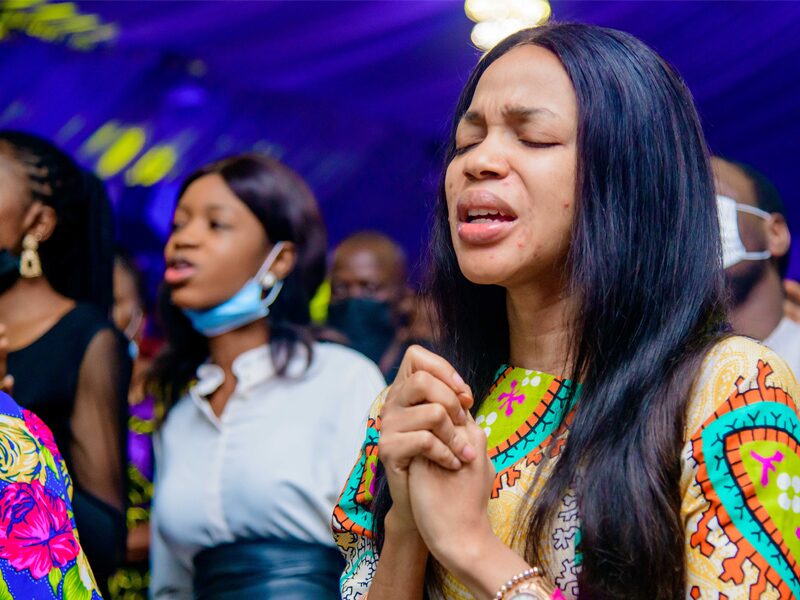
Private prayer is vital. Corporate prayer is also powerful.
If you are ready to move from occasional prayers to a consistent prayer life, being part of a praying community makes a difference. Join Pastor Bolaji’s Prayer Community by clicking any of the buttons below.
Moreover, Harvesters’ Next Level Prayers platform exists to encourage believers to build a prayer life and grow as disciples.
You don’t only need motivation. You need an environment.
5) Keep showing up
Some days will feel dry.
Some days will feel strong.
Don’t judge prayer only by feelings. Judge prayer by consistency.
Prayer is a relationship, not a mood.
Conclusion: Prayer Is Power, Alignment, and Relationship
So, what is the importance of prayer?
Prayer is how you:
- align with God’s will,
- receive clarity,
- enforce heaven’s agenda on the earth,
- grow as a disciple,
- gain peace under pressure,
- and walk into noticeable testimonies.
Prayer is not just something you do; it is part of who you become.
And when a believer becomes truly prayerful, the results are not only spiritual. The results show up in choices, stability, courage, and impact.
For more insightful spiritual pieces, stay connected to our blog. If you prefer fresh spiritual content daily, connect with Pastor Bolaji on the various platforms below:
- Instagram – @bolajiid
- Facebook – @Pastor Bolaji Idowu
- TiTok – bolajiid1
- X (formerly Twitter) – @pastorbolaji
If you have further questions regarding the importance of prayer, feel free to use the comment section.
Recommendations
