


You have prayed about the situation more than once. You have asked sincerely, waited patiently, and tried to trust God. Yet nothing seems to have changed.
The illness remains. The opportunity has not appeared. The relationship is still strained. The direction you need is still unclear.
At such moments, it is natural to wonder, “Does God hear my prayers?”
You may believe that God hears other people. Their testimonies seem to come quickly. They pray, and doors open. You pray, and all you seem to receive is silence.
However, silence does not necessarily mean absence. A delayed answer does not mean your prayer was ignored. Scripture repeatedly shows that God hears His people, cares about their concerns, and responds according to His wisdom and will.
This article explains what the Bible means when it says God hears our prayers, why some answers seem delayed, what can hinder prayer, and how to continue praying when you do not yet see results.
Key Highlights
- Yes, God hears your prayers, including prayers that are weak, emotional, or difficult to express.
- God hearing a prayer does not always mean He will grant the exact request in the exact way or time expected.
- God may answer with yes, no, wait, or by giving something different from what was requested.
- Unconfessed sin, selfish motives, unforgiveness, and deliberate disobedience can affect a person’s prayer life.
- God welcomes sincere prayers of repentance from people who have sinned or feel far from Him.
- A delay is not proof that God has rejected you.
- Prayer is not only about receiving answers; it is also about growing in relationship with God.
- When you cannot find the right words, the Holy Spirit helps you pray.
Does God Hear My Prayers?

Yes, God hears your prayers. He knows what you are facing, understands what you are asking, and sees the condition of your heart.
Psalm 34:17 says that the righteous cry out and the Lord hears them. Psalm 18:6 also describes David calling to God in distress and being heard.
God does not need you to use perfect language before He understands you. He is not confused by your tears, your pauses, or your inability to explain everything clearly. He knows what you need before you ask, yet He invites you to speak with Him.
Jesus said in Matthew 6:8 that the Father knows what we need before we ask Him. This does not make prayer unnecessary. Instead, it shows that prayer begins with a God who already understands.
When you ask, “Does God hear my prayers?”, remember that prayer is not an attempt to get the attention of a distant God. It is a response to the invitation of a loving Father.
What Does It Mean When the Bible Says God Hears Prayer?
In everyday conversation, hearing can simply mean becoming aware of a sound. However, when the Bible says that God hears prayer, it often carries a deeper meaning.
It means God receives the prayer, pays attention to the person praying, and responds according to His character and purpose.
God is aware of every word spoken and every thought left unspoken. However, there is a difference between God being aware of a prayer and God approving or granting the request.
For example, a parent may hear a child’s request clearly but decide that granting it would not be wise. The refusal does not mean the parent was inattentive. It may actually be an expression of love.
In the same way, God hears our prayers, but His answers come from perfect knowledge. He sees the consequences we cannot see. He understands the future, the motives of everyone involved, and how one request fits into His larger purpose.
First John 5:14 gives believers confidence that when we ask anything according to God’s will, He hears us. This means biblical confidence in prayer is not based on forcing God to approve our plans. It is based on trusting His wisdom.
Learning ‘what is the will of God‘ can help you pray with greater understanding and confidence.
God Hears More Than Your Words
Some prayers are carefully expressed. Others are little more than a sigh.
There may be moments when you know you need to pray, but you do not know what to say. Grief, fear, exhaustion, or confusion can make it difficult to form complete sentences.
Romans 8:26 explains that the Holy Spirit helps us in our weakness because we do not always know what we should pray for. The Spirit intercedes for believers according to God’s will.
This is deeply reassuring. The effectiveness of your prayer does not depend entirely on your ability to explain yourself. God understands the burden beneath the words.
Hannah’s experience in 1 Samuel 1 gives us a clear example. She prayed in deep anguish. Her lips moved, but her voice was not heard. Eli initially misunderstood her, but God did not. God saw her pain and received her prayer.
Your prayer may sound incomplete to you, but it is not incomplete to God.
You can pray:
“Father, I do not know how to explain what I feel, but You know my heart. Please help me and guide me.”
That is still prayer.
Does God Hear All Prayers?
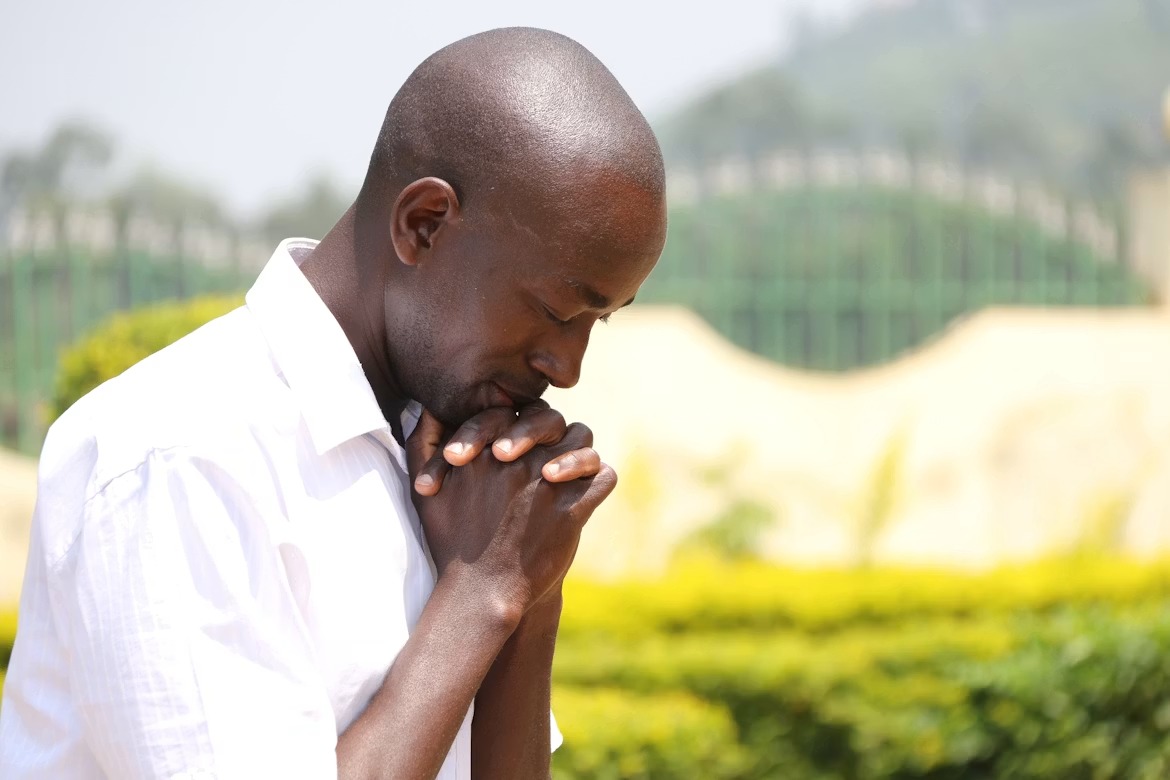
The Bible shows that God is aware of every prayer, but it does not teach that He approves every request or relates to every person’s prayer in exactly the same way.
God is not a machine that produces whatever result a person demands. Prayer is communication with the living God. Therefore, the heart, motive, relationship, and request all matter.
Some people pray sincerely for help. Others pray with selfish intentions. Some seek God’s will. Others ask God to support plans that contradict His Word.
James 4:3 says that some people ask and do not receive because they ask with wrong motives, intending to use what they receive for selfish pleasure.
This does not mean you must have completely pure motives before you can approach God. None of us would qualify if that were the standard. It means we should allow God to examine and correct our desires as we pray.
A healthy prayer may begin with a request but should also include surrender:
“Lord, this is what I desire, but I want Your will more than my preference. Correct my motives and guide me.”
Does God Hear the Prayers of Sinners?
This question often causes unnecessary fear because every human being has sinned.
If God refused to hear anyone who had ever sinned, no one could pray. Romans 3:23 says that all have sinned and fallen short of God’s glory.
The more important issue is the posture of a person’s heart.
God welcomes the person who comes with genuine repentance. In Luke 18:13, a tax collector prayed, “God, be merciful to me, a sinner.” Jesus said that the man went home justified.
His sin did not stop him from crying out to God. His humility brought him to the right place.
Psalm 51 records David’s prayer after serious sin. David did not hide, defend himself, or pretend nothing had happened. He confessed his sin and asked God for mercy, cleansing, and restoration.
Therefore, when someone asks, “Does God hear the prayers of sinners?”, the biblical answer must make an important distinction.
God does not support rebellion or approve of deliberate disobedience. However, He receives the sincere cry of a person who turns toward Him in repentance.
This ‘prayer for forgiveness‘ can help you approach God honestly when guilt is affecting your confidence in prayer.
Does God Hear the Prayers of Unbelievers?
The Bible gives examples of God responding to people who had not yet fully understood or entered a relationship with Him.
In Acts 10, Cornelius was a Gentile who feared God, gave generously, and prayed continually. An angel told him that his prayers and gifts had come before God as a memorial. God then directed Peter to share the message of Jesus with him.
This passage shows that God sees a sincere person who is seeking Him.
At the same time, the fullest confidence and access in prayer come through Jesus Christ. Hebrews 4:14–16 teaches believers to approach God’s throne of grace with confidence because Jesus is our great High Priest.
An unbeliever does not need to master religious language before calling on God. A sincere prayer can begin simply:
“God, I want to know You. Forgive me, reveal Yourself to me, and help me understand the truth about Jesus.”
God is not threatened by honest questions. He welcomes the person who genuinely seeks Him.
Why Does It Feel Like God Is Not Hearing Me?
Knowing the biblical answer does not always remove the emotional difficulty. You may believe God hears prayer and still feel unheard.
Several situations can create that feeling.
1. The answer has not come yet
Waiting can make silence feel like rejection.
Daniel 10 describes a time when Daniel prayed and the answer did not become visible immediately. He later learned that his prayer had been heard from the first day.
Although every delay should not be interpreted exactly like Daniel’s experience, the passage reminds us that unseen activity may be taking place while we wait.
God may be arranging circumstances, preparing people, developing your character, or protecting you from an outcome you do not yet understand.
2. The answer is different from what you expected
Sometimes we decide what an answered prayer must look like before we pray.
We ask God to provide, but we expect provision to come through one particular person. We ask for direction, but we expect one specific door to open. Sometimes we even pray for restoration, but we imagine it must happen within our preferred timeline.
When God responds differently, we may fail to recognize the answer.
God’s method may surprise you without contradicting His promise.
3. God is asking you to wait
Waiting is not inactivity. God often uses waiting to build trust, endurance, wisdom, and spiritual maturity.
Psalm 27:14 encourages us to wait on the Lord and take courage. Waiting on God is not pretending that delay is easy. It is choosing to remain faithful while the outcome is still uncertain.
4. God has already given guidance in Scripture
Sometimes people ask for a new sign while ignoring clear biblical instruction.
A person may pray about whether to forgive someone even though Scripture already commands forgiveness. Another may ask whether dishonesty is acceptable in a particular situation, although God’s Word has already addressed integrity.
Prayer should not become a way of avoiding obedience.
Before concluding that God is silent, ask, “Has He already spoken about this in His Word?”
5. Emotional exhaustion is affecting your perception
Pain can make God feel distant even when He is near.
The Psalms contain many honest prayers from people who felt forgotten. Psalm 13 begins with David asking, “How long, Lord? Will You forget me forever?” Yet David ends by choosing to trust in God’s unfailing love.
David’s feelings were real, but they were not the complete picture.
You can acknowledge your feelings without allowing them to define God’s character.
What Can Hinder Prayer?
The purpose of examining possible hindrances is not to create fear. It is to help us approach God with honesty.
Cherishing sin
Psalm 66:18 says, “If I had cherished sin in my heart, the Lord would not have listened.”
The issue is not the presence of a struggle. Believers sometimes struggle, fail, confess, and seek God’s help. The problem is cherishing sin—protecting it, excusing it, and refusing correction.
When the Holy Spirit reveals an area of disobedience, respond with repentance rather than hiding.
Selfish motives
James 4:3 warns about asking with wrong motives.
It is possible to request something that appears good while secretly desiring status, revenge, control, or personal glory.
Ask God to purify both your request and the reason behind it.
Unforgiveness
Jesus connected prayer and forgiveness in Mark 11:25. When believers pray, they should release offences and forgive those who have wronged them.
Forgiveness does not mean pretending the hurt did not happen. It does not always remove the need for boundaries or accountability. It means surrendering personal revenge and refusing to let bitterness rule the heart.
Mistreating others
First Peter 3:7 warns husbands to treat their wives with understanding and honour so that their prayers will not be hindered.
This reveals an important principle: we cannot separate spirituality from how we treat people. Prayer is not a substitute for love, justice, humility, or responsible behaviour.
Refusing God’s instruction
Proverbs 28:9 gives a strong warning about turning away from God’s instruction while continuing to pray.
God desires more than religious speech. He wants responsive hearts.
If you already know what God is asking you to do, the next step may not be another request for confirmation. It may be obedience.
Does God’s Silence Mean the Answer Is No?
Not always.
Silence can mean several things. The answer may be delayed. God may be redirecting you. He may be working in ways you cannot yet recognise. He may also be inviting you to become still enough to receive guidance.
However, there are occasions when the answer is no.
Paul prayed repeatedly for his “thorn in the flesh” to be removed. According to 2 Corinthians 12:8–9, God did not remove it. Instead, He promised that His grace would be sufficient and that His power would be revealed in weakness.
Paul received an answer, but it was not the answer he initially requested.
A no from God is not always punishment. It can be protection, redirection, or an invitation to experience His grace in a deeper way.
Your confidence must rest not only in God’s ability to give you what you want but also in His wisdom to decide what is best.
How Can I Know Whether God Is Answering My Prayer?
God can guide people in different ways, but every impression should be tested carefully.
1. Compare it with Scripture
God will not guide you to act against His revealed character or Word.
An impression that encourages deception, revenge, sexual immorality, pride, or harm should not be labelled divine direction.
2. Look for godly wisdom
James 3:17 describes wisdom from above as pure, peace-loving, gentle, reasonable, merciful, impartial, and sincere.
God’s direction may challenge you, but it will not produce a character that opposes His nature.
3. Pay attention to conviction, not panic
The Holy Spirit can bring strong conviction, but conviction is different from confusion-driven fear.
Panic says, “Act immediately or everything will be destroyed.” God’s guidance often produces clarity, sobriety, and the ability to obey responsibly.
4. Seek wise counsel
Trusted, spiritually mature believers can help you evaluate what you believe God is saying.
Counsel should not replace prayer or Scripture, but it can expose blind spots.
5. Give the matter time
Not every decision must be made immediately. Time can reveal motives, confirm patterns, and prevent emotional decisions.
Read ‘how to hear God’s voice clearly‘ for practical guidance on recognising and testing spiritual direction.
How to Pray When You Feel Unheard
When prayer feels difficult, simplicity is often better than trying to sound impressive.
Be honest with God
Tell Him what you feel.
You can say, “Lord, I believe You hear me, but right now I feel forgotten.”
God already knows the truth about your emotions. Honest prayer creates room for genuine surrender.
Confess anything God brings to your attention
Do not search anxiously for a secret sin behind every delay. However, remain open to correction.
Pray as David did in Psalm 139:23–24: ask God to search your heart, reveal anything harmful, and lead you in the right way.
Pray according to Scripture
Let biblical truth shape your requests.
For example, instead of only praying, “Lord, remove this situation,” you can also pray, “Give me wisdom, strengthen my character, help me obey You, and accomplish Your will through this.”
Continue praying
Jesus taught persistence in prayer through the parable of the persistent widow in Luke 18:1–8.
Persistence does not mean repeating words to manipulate God. It means continuing to trust Him rather than allowing delay to end the relationship.
The teaching ‘ask and you shall receive‘ explains how persistence, faith, and surrender work together in biblical prayer.
Remain open to God’s answer
Ask God to help you recognise His answer, even when it arrives differently from what you imagined.
A closed door may be guidance. A difficult conversation may be part of restoration. An unexpected responsibility may be preparation. Peace to wait may itself be an answer.
Keep seeking God, not only the result
Prayer becomes exhausting when the only goal is obtaining one outcome.
Continue seeking God Himself. Let prayer include worship, thanksgiving, confession, listening, and surrender.
Understanding what it means to ‘seek first the kingdom of God‘ can help you keep your relationship with God at the centre of your requests.
A Prayer for When You Wonder Whether God Hears You
Heavenly Father,
Thank You because You know me completely. You see what I am facing, understand what I cannot explain, and hear the prayers I struggle to express.
Lord, I confess that waiting has been difficult. Sometimes I feel forgotten because I have not seen the answer I expected. Help me not to judge Your faithfulness by my present circumstances.
Search my heart and reveal anything that needs to change. Forgive my sins, correct my motives, and remove bitterness, pride, fear, or unbelief from my heart.
Give me wisdom to recognise Your direction. Help me accept Your timing and trust Your answer, even when it is different from my preference.
Strengthen me to keep praying without becoming discouraged. Teach me to seek You, not only what You can give me.
I believe that You hear me. I place this situation in Your hands and ask that Your will be done in my life.
In Jesus’ name, amen.
If you are also in a place where you struggle to hear God, you can watch the teaching below by our global lead Pastor, Bolaji Idowu.
Common Misconceptions About God Hearing Prayer
“If I pray perfectly, God must give me what I ask”
Prayer is not a formula. Certain words, tones, postures, or repetitions do not force God to act.
God responds from relationship, wisdom, grace, and purpose.
“A delayed answer means I do not have enough faith”
Sometimes unbelief affects prayer, but not every delay is evidence of weak faith.
Faithful people throughout Scripture experienced waiting. Abraham waited for the promised son. Joseph waited through slavery and imprisonment. David waited to become king.
Do not turn every season of waiting into an accusation against yourself.
“If God says no, He does not love me”
A loving God can refuse a request.
His love is not measured only by how many of your preferences He grants. It is revealed most clearly through Jesus Christ and God’s commitment to your eternal good.
“Strong believers never feel unheard”
Even spiritually mature people experience moments of confusion, grief, and silence.
The Psalms prove that honest questions can exist alongside genuine faith. Spiritual maturity is not the absence of difficult feelings. It is learning to bring those feelings to God.
“I should stop praying after asking once”
There are times to pray persistently and times to rest in what has already been surrendered.
Continuing to pray does not necessarily show unbelief. It can demonstrate dependence, perseverance, and an ongoing relationship with God.
Frequently Asked Questions
Does God hear silent prayers?
Yes. God knows your thoughts and understands prayers spoken within your heart. Hannah prayed so quietly that Eli could not hear her, but God received her prayer.
Does God hear me when I cry?
Yes. Tears do not make prayer less spiritual. Psalm 56:8 presents God as deeply aware of human sorrow. Crying before God can be an honest expression of grief, surrender, and dependence.
Why should I pray if God already knows what I need?
Prayer is not merely the transfer of information. It is relationship, dependence, worship, and cooperation with God.
Through prayer, your desires are examined, your trust grows, and your heart becomes more aligned with God’s will.
Does God hear repeated prayers?
Yes. Jesus warned against empty repetition, not sincere persistence. Repeating a request because it remains important to you is different from reciting words without thought or faith.
Can sin stop God from hearing my prayers?
Deliberately cherishing sin can hinder fellowship with God and affect prayer. However, sin should lead you to repentance, not permanent withdrawal.
God invites you to confess, receive forgiveness, and return to Him.
What should I do when God seems silent?
Continue praying, examine your heart, study Scripture, seek wise counsel, obey what God has already revealed, and remain open to an answer that may differ from your expectation.
Does God Hear my Prayers: Conclusion
So, does God hear my prayers?
Yes. God hears the sincere cry of your heart. He understands your words, your tears, your questions, and even the prayers you cannot fully express.
However, hearing does not mean God will always approve the request exactly as presented. He may say yes, no, wait, or redirect you toward something better. His response is shaped by His wisdom, love, will, and complete knowledge.
Do not allow delay to convince you that God is absent. Do not allow disappointment to silence your prayer life. Keep approaching Him with honesty, repentance, trust, and surrender.
The God who hears you is also the God who sees the whole picture.
Reflection and Action Step
Take ten quiet minutes today and write down the prayer that has made you wonder whether God is listening.
Then answer these questions honestly:
- What exactly am I asking God to do?
- Have I surrendered the outcome to His will?
- Is there any instruction from Scripture that I already need to obey?
- Is there sin, unforgiveness, or a wrong motive I need to address?
- Could God be answering in a way I did not expect?
- What would trusting God look like while I wait?
End by praying this simple sentence:
“Father, I believe You hear me. Help me recognise Your answer and trust Your heart while I wait.”
Know anyone who is asking the question, “Does God hear my prayers?” Share this piece with them and let them know they are not forgotten.
For more insightful spiritual pieces, stay connected to our blog. If you’d like fresh spiritual content daily, connect with our Lead Pastor, Bolaji Idowu, on the various platforms below:
- Instagram – @bolajiid
- Facebook – @Pastor Bolaji Idowu
- TiTok – bolajiid1
- X (formerly Twitter) – @pastorbolaji
If you have questions or contributions on the topic discussed, feel free to use the comments section.
Recommended
- Prayer for Success: Powerful Prayers and Bible Verses for Every Area of Life
- How to Pray in the Spirit: Biblical Meaning and Practical Guidance
- Bible References on Salvation: What Scripture Teaches About Being Saved
- Friendship in the Bible: What God Teaches About Choosing the Right Friends
- Prayer for Surgery: Words of Faith Before an Operation
